

Pediatric Frenectomiesin Fairfax and Northern Virginia
For some, breastfeeding can be a wonderful time to bond with your child. For others, it can be a painful, frustrating experience that leaves you feeling drained. If you’re wondering if there’s a better way, the answer is yes. Frenectomies can help keep you comfortable and ensure your child is getting proper nutrition while feeding.
What Are Tongue and Lip Ties?
Tongue tie (ankyloglossia) and lip tie occur when the thin band of tissue (called a frenulum) that connects the tongue to the floor of the mouth or the upper lip to the gum is unusually short, thick, or tight.
These restrictions can limit the normal movement of the tongue or lip. Because the tongue and lips play a critical role in feeding, speech, oral development, and airway function, restricted movement may lead to challenges beginning in infancy and, for some children, continuing into later childhood.
Tongue and lip ties vary widely in appearance and severity. Some children may have no noticeable symptoms, while others experience feeding difficulties, speech concerns, or oral health issues. A thorough clinical evaluation is important to determine whether a tongue or lip tie is contributing to a child’s symptoms.
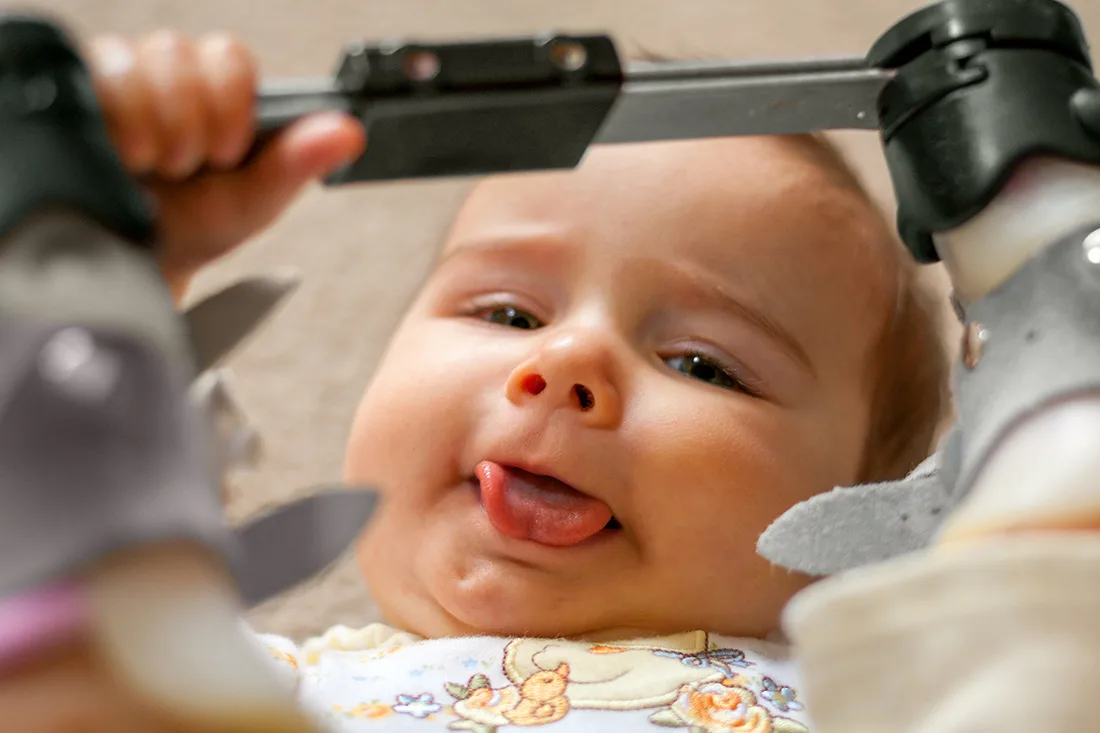
Symptoms of Tongue Tie
While every child and family experience is unique, the following symptoms are commonly seen in infants, children, and nursing mothers when a tongue or lip tie is present.

Infant and Child Symptoms
Difficulty with nursing or latching
Feeding frustration or prolonged feeding times
Speech delays or speech articulation problems
Persistent migraines or headaches (in older children)
Cavities, gum disease, bad breath, or other oral health issues
Difficulty maintaining proper dental hygiene
Trouble chewing age-appropriate solid foods
Avoidance of solid foods or preference for very soft foods
Gagging, choking, or vomiting with certain foods
Eating very small amounts or holding food in the mouth
Consistent dribbling or excessive drooling
Nursing Mother’s Symptoms
Pain during breastfeeding
Creased, flattened, or blanched nipples after nursing
Lipstick-shaped nipples
Blistered or cracked nipples
Poor or incomplete breast drainage
Decreased milk supply
Plugged ducts, breast engorgement, or mastitis
Nipple thrush
Baby consistently preferring one breast over the other
Signs & Symptoms Your Child May Need Airway Dentistry
Children don’t always outgrow breathing problems — many signs are subtle and show up as behavior, sleep issues, or facial development changes. Airway dentistry focuses on identifying these early so your child can breathe, sleep, and grow properly.
Mouth breathing (day or night)
Snoring or noisy sleep
Restless sleep or frequent waking
Dark circles under the eyes
Teeth grinding or clenching
Bedwetting beyond toddler years
Daytime fatigue or behavior issues
Trouble focusing or learning difficulties
Narrow jaw, crowded teeth, or high palate
Frequent congestion, sore throats, or enlarged tonsils

The Benefits of Frenectomies
Experience Better Breastfeeding
Tongue/lip ties can make breastfeeding difficult for both baby and mom. Frenectomies ensure your infant can feed properly and help prevent low weight gain.
Prevent Speech Impediments
Early treatment with a frenectomy helps prevent speech impediments due to restricted tongue movement.
Improve Overall Eating Ability
Releasing restrictive tissues can also help older children enjoy their favorite foods with ease.
Our Difference

The Frenectomy Process

Local Anesthesia
First, a consultation is necessary to determine if your child requires a frenectomy. You’ll discuss your concerns and experiences with the doctor and your child will receive an oral exam. The dentist will examine their mouth for signs of tongue and lip ties, and determine whether or not a frenectomy is the best option. To begin the surgery, the area will be numbed using local anesthesia to ensure your child feels absolutely no pain or discomfort throughout the procedure.

Releasing the Tissue
There are many tools that can be used to snip the frenulum, such as lasers or scissors. Your doctor will discuss available options during the consultation, but in any case, the frenulum can be snipped in seconds. A laser minimizes bleeding and discomfort, and encourages faster healing.

Aftercare & Healing
With a laser frenectomy, there is no need for stitches or sutures. Proper aftercare includes cleaning the treatment site at least twice per day. Your child’s dentist may also recommend tongue or lip stretches to ensure that the frenulum heals properly and does not reattach.
FAQs
Frequently Asked Questions
Check out these frequently asked questions, or call us to speak with our team.
Tongue and lip ties are collectively known as “tethered oral tissues” or TOTs. They occur when the bands of tissue that connect the tongue or the lips to the mouth become overdeveloped to the point that proper mouth movement is restricted.
They are uncommon in infants and toddlers, and sometimes do not need treatment. Minor tongue and lip ties may not cause any feeding problems, or contribute to speech impediments.
However, serious tongue and lip ties can make it hard for your child to breastfeed or use a bottle properly, resulting in poor feeding and inadequate nutrition. If you think that your child is having trouble feeding because of tongue or lip ties, you should get help from a pediatric dentist right away.
Feeding problems are the most common signs of tongue and lip ties. Your child’s lips and tongue need to be able to move properly to latch onto the nipple and stimulate it for proper feeding. If they seem to be having trouble making a proper seal, milk dribbles out from their mouth while feeding, or they frequently stop and start feeding, they may be having latching issues due to tongue or lip ties.
You can also look for visual signs of tongue and lip ties. For the lips, you can fold back your child’s upper lip and look at the frenulum. If it is difficult to lift the lip or it seems like your baby is unable to move their upper lip on their own, they may have a lip tie.
Signs of tongue ties include an inability for your child to stick their tongue out past their front teeth, or problems moving the tongue from side to side. Tongue ties can also be identified visually. A common sign of tongue ties is a “heart-shaped” tongue. When your child sticks their tongue out, the restriction caused by the tongue tie may cause it to look “notched” or heart-shaped, instead of appearing as a smooth “U” shape.
Not at all. Your child’s mouth will be completely numb throughout the procedure, and we use special tools at our office to eliminate pain and discomfort. With laser dentistry, your child will experience minimal bleeding, and they will be able to recover from tongue or lip tie treatment quickly and with low levels of post-operative discomfort.
A frenectomy will typically be covered by dental insurance, so you can get your child the care they need without worrying about high out-of-pocket expenses. Even if you do not have insurance, the cost of a frenectomy is quite low. Insurance plans vary, so make sure you consult with your dental insurance company to make sure your child is covered for their treatment.
To care for the surgical site, you will need to clean the treatment area twice a day to prevent infection and keep it healthy. Your child’s dentist may also recommend some stretches for the tongue and/or lips. These stretches will help ensure that when the frenulum heals, it will not reattach and restrict your child’s oral range of motion. Follow the instructions given to you and make sure you regularly perform all stretches recommended to you by your child’s dentist.
Frenectomies are usually identified in infants and young children before they grow older, so the treatment is primarily done on younger children. However, it’s not exclusively provided to infants and young children. Older kids, teenagers, or even adults who have tongue or lip ties may be able to benefit from treatment with a frenectomy if they have serious tongue or lip ties.