Pediatric Sedationin Fairfax and Northern Virginia
We get it — going to the dentist isn’t always easy for children. Many kids have a hard time sitting still, which can make dental care difficult. Others may be anxious or scared about visiting the dentist. With our sedation options, your child can feel totally comfortable and relaxed during their treatment. It’s just one of the many ways we make each visit a positive experience.
Why Should I Choose Pediatric Sedation For My Child?
Pediatric sedation is a good option to consider for your child’s dental appointments because it can make a big difference in how they view the dentist. It helps keep them calm and relaxed, especially if they struggle to sit still or get nervous. This way, the dentist can do their work with ease, and your child won’t feel scared or uncomfortable. It's all about making sure they get the dental care they need in the most stress-free way possible. Just have a talk with your dentist to see if it's the right fit for your child’s needs.
Symptoms of Tongue Tie
While every child and family experience is unique, the following symptoms are commonly seen in infants, children, and nursing mothers when a tongue or lip tie is present.

Infant and Child Symptoms
Difficulty with nursing or latching
Feeding frustration or prolonged feeding times
Speech delays or speech articulation problems
Persistent migraines or headaches (in older children)
Cavities, gum disease, bad breath, or other oral health issues
Difficulty maintaining proper dental hygiene
Trouble chewing age-appropriate solid foods
Avoidance of solid foods or preference for very soft foods
Gagging, choking, or vomiting with certain foods
Eating very small amounts or holding food in the mouth
Consistent dribbling or excessive drooling
Nursing Mother’s Symptoms
Pain during breastfeeding
Creased, flattened, or blanched nipples after nursing
Lipstick-shaped nipples
Blistered or cracked nipples
Poor or incomplete breast drainage
Decreased milk supply
Plugged ducts, breast engorgement, or mastitis
Nipple thrush
Baby consistently preferring one breast over the other
Signs & Symptoms Your Child May Need Airway Dentistry
Children don’t always outgrow breathing problems — many signs are subtle and show up as behavior, sleep issues, or facial development changes. Airway dentistry focuses on identifying these early so your child can breathe, sleep, and grow properly.
Mouth breathing (day or night)
Snoring or noisy sleep
Restless sleep or frequent waking
Dark circles under the eyes
Teeth grinding or clenching
Bedwetting beyond toddler years
Daytime fatigue or behavior issues
Trouble focusing or learning difficulties
Narrow jaw, crowded teeth, or high palate
Frequent congestion, sore throats, or enlarged tonsils

The Benefits of Pediatric Sedation
Reducing Fear and Dental Anxiety
Visiting the dentist can be intimidating for children, especially for procedures like fillings. Sedation allows your child to feel calm and relaxed, ensuring a more comfortable experience during their dental appointment.
Minimizing Pain and Discomfort
When used with local anesthetics, sedation is highly effective in minimizing any potential pain and discomfort during dental treatments. This not only makes the process smoother for your child but also gives you peace of mind knowing they are comfortable.
Addressing Gag Reflex and Needle Phobia
Certain types of sedation can significantly reduce your child’s gag reflex. This is particularly beneficial for dental work on the back teeth. Sedation also helps alleviate the common fear of numbing needles.
Our Difference
General Anesthesia for Severe Anxiety
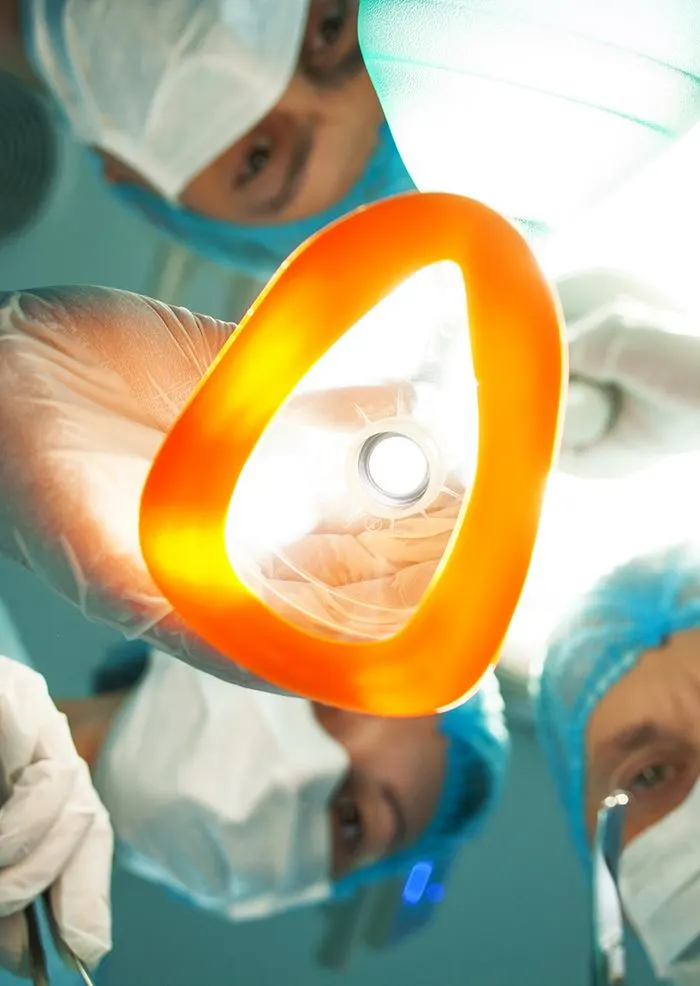
General anesthesia is usually reserved for only the most invasive dental surgeries, as it requires the use of a ventilator to help patients breathe. The primary benefit of general anesthesia is that it will render your child completely unconscious, they will not feel anything or remember anything about their treatment.

IV Sedation Available
IV sedation is delivered directly to the bloodstream, putting your child into a state of deep relaxation. Ideal for those with severe anxiety or other special needs, little patients who receive IV sedation may fall asleep during treatment, but they can be easily woken to respond to commands.

Board-Certified Pediatric Dentist
Rest assured that your child is receiving top-notch, specialized care with our Board-Certified Pediatric Dentist. To be recognized by The American Board of Pediatric Dentistry, doctors must undergo extensive training in the pediatric field in addition to their standard dental degrees.

Laughing Gas for Little Smiles
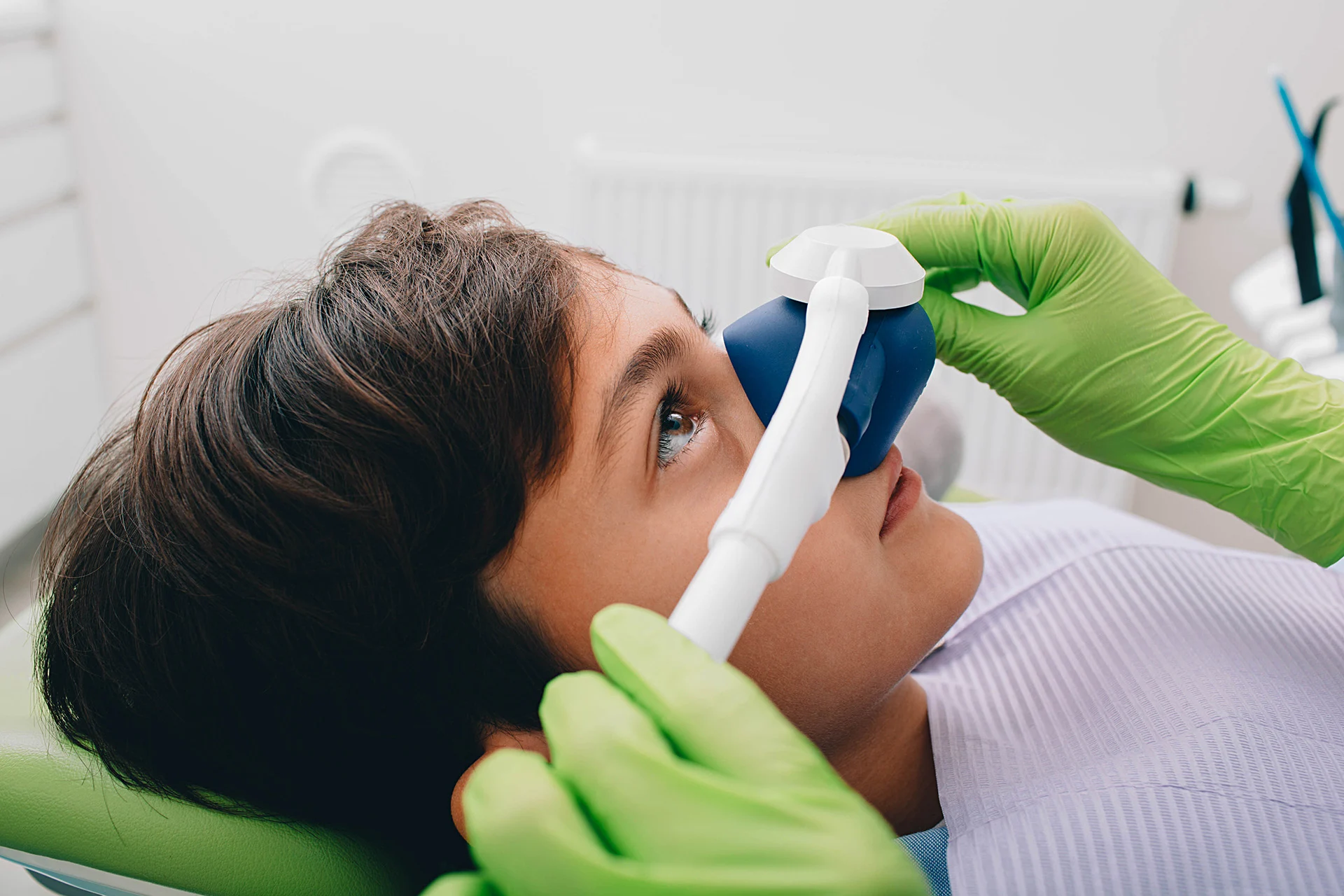
The most mild form of sedation, nitrous oxide, also known as laughing gas or minimally inhaled sedation, is a safe way to ensure your child stays relaxed during their treatment.

The Pediatric Sedation Treatment Process

Initial Consultation & Approval
Before considering sedation for your child, your child’s pediatric dentist will evaluate their health history, current medications, supplements, and other relevant health information. If your child is a good candidate, you will be informed about the available sedation options and which one will best suit their needs.

Preparation & Sedation
Your child's pediatric dentist will let you know if there’s anything you need to prepare before your child’s appointment. On the day of the visit, your child will receive sedation in our office, helping them stay calm and comfortable during their treatment.

Sedation Aftercare
Your child’s recovery process depends on the type of sedation used. They may recover within just a few minutes or require some special aftercare and monitoring after their appointment. Your pediatric dentist will give you all the details you need to care for your child after their treatment.
FAQs
Frequently Asked Questions
Check out these frequently asked questions, or call us to speak with our team.
Sedation in dentistry primarily serves to alleviate dental anxiety, which helps children remain calm and cooperative during their dental procedures. Many children experience fear or nervousness about dental visits, and sedation can significantly ease these feelings. It's also beneficial for managing discomfort during more involved procedures like tooth extractions, and it helps children who have difficulty staying still for extended periods during treatments.
Pediatric sedation is generally appropriate for children who are in good health and do not have any medical conditions or medications that could negatively interact with the sedation. It's best to consult with us for a personalized assessment. During a consultation, we can discuss your child's specific needs and address any concerns to determine the best option.
Every sedation option feels different. Laughing gas (nitrous oxide) typically helps children feel relaxed and slightly euphoric. Your child remains fully conscious and more at ease throughout the procedure.
Oral conscious sedation or IV sedation often results in a drowsy, sleepy state. Children might fall asleep and have little to no memory of the procedure but can still respond to instructions.
General anesthesia provides the deepest sedation. Your child will be completely unconscious and unable to feel or remember the procedure.
Sedation dentistry is safe for children of all ages, including toddlers when administered correctly. We ensure safety by conducting a thorough health history assessment and choosing the appropriate sedation method for each child. You’ll be fully informed about the chosen sedation technique, its effects, and aftercare requirements. All sedation procedures are carried out by qualified professionals on our team. At every step of the process, we prioritize your child's safety and comfort.